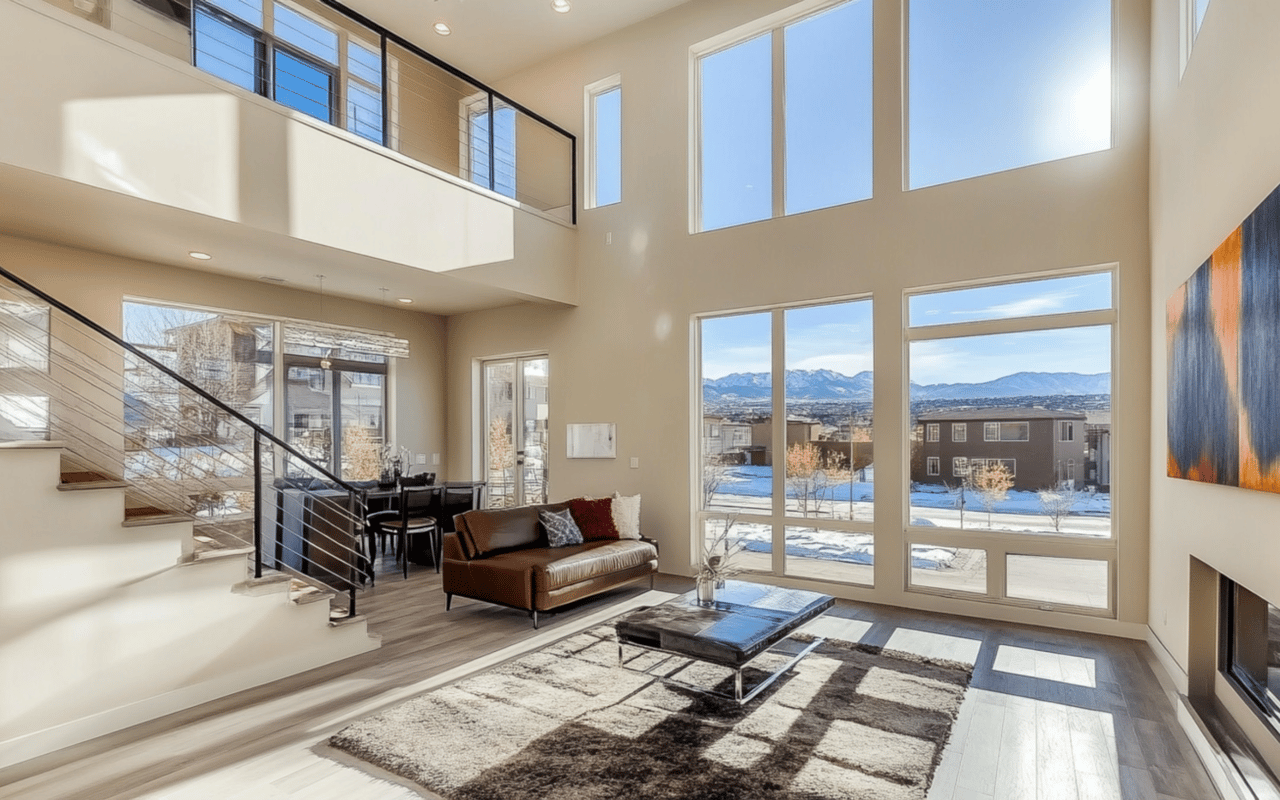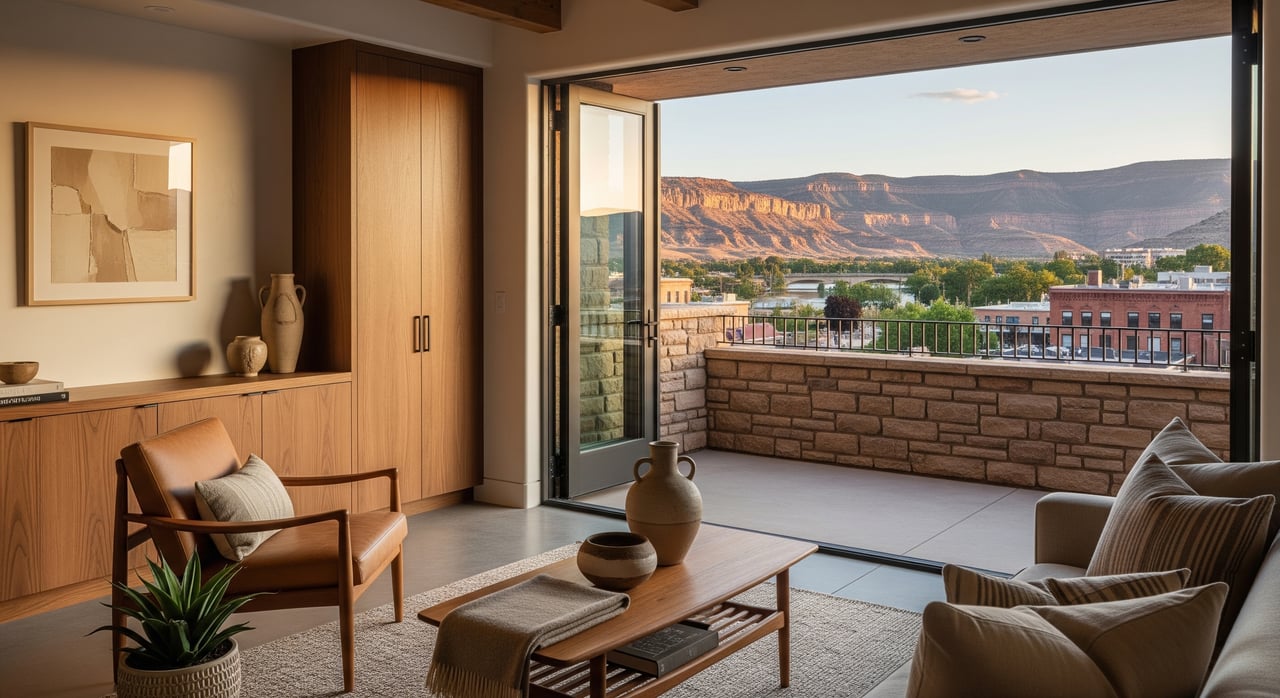
Imagine stepping out your door to coffee, galleries, and dinner on a patio, with desert trails and river views just a short drive away. If you’re curious about living in Downtown Grand Junction, you want a clear picture of the lifestyle, housing, and everyday tradeoffs that come with the city’s urban core. This guide breaks down what life feels like on these walkable blocks and how to decide if it fits your goals. Let’s dive in.
Why downtown stands out
Downtown Grand Junction is the compact heart of the city, centered around Main Street and Colorado Avenue. You’ll find a small, walkable footprint with restaurants, shops, and services clustered within a few blocks. The setting is classic Western Slope: sunshine, mountain and mesa views, and quick access to outdoor recreation.
Daily life and amenities
Living downtown feels easy and connected. You can handle many errands on foot, meet friends for lunch, and stroll home after an evening show. There is steady weekday energy from office workers and students, with a relaxed dinner and weekend vibe.
Seasonal markets and street events bring extra foot traffic in warmer months. The mix of cafes, boutiques, and service businesses keeps daily needs close, which is a major draw if you prefer to park the car more often.
Food and culture highlights
You’ll find an active food scene with local cafes, brewpubs, and wine-friendly spots that reflect the Grand Valley’s grape-growing heritage. While nightlife is moderate, there are regular performances, small concerts, and gallery happenings.
For a feel of the calendar, browse the Downtown Grand Junction organization for street fairs and market details, or check the broader Visit Grand Junction events calendar for festivals and seasonal highlights. These events add to the lively, small-city feel without overwhelming crowds.
Parks, paths, and river access
Downtown residents value nearby riverfront trails and small parks for morning jogs, dog walks, and bike rides. With a high-desert, semi-arid climate and many sunny days, patio dining and year-round trail time are common.
Outdoor destinations are close. Many residents plan weekend outings to area trail systems or scenic drives. You can enjoy an urban lifestyle during the week and still be on dirt roads or singletrack minutes after work.
Housing at a glance
Expect variety more than uniformity. The core includes lofts in historic commercial buildings, low- and mid-rise condos, and apartments. On the edges, you’ll find older single-family homes, including early and mid-20th-century bungalows.
New construction appears as smaller infill projects rather than large towers. Many properties are part of HOAs, especially condos and lofts, which means reviewing fees, reserves, and rules is important.
Who downtown fits best
Downtown tends to fit people who value walkability, dining, arts, and shorter commutes. Small households, young professionals, retirees, and those connected to nearby institutions often find the location practical.
If you want large yards, multiple-car garages, or bigger single-family footprints, you may prefer nearby neighborhoods and suburbs. Historically, Grand Junction housing has often been more approachable in price than major Front Range metros, but exact values vary by property type and condition.
Getting around
You can live car-light here. The core is pedestrian-friendly, and many residents bike for short trips. For wider connections, Grand Valley Transit links downtown with surrounding areas.
Traveling farther is simple. The Grand Junction Regional Airport is a short drive from downtown, making weekend trips and business travel straightforward. Parking is generally easier than in big cities, though it can tighten during peak dining hours and events.
Schools and learning
Downtown is served by Mesa County Valley School District 51. If schools are a priority, review district resources and individual school reports to understand programs and options.
Proximity to Colorado Mesa University is a plus for students, staff, and lifelong learners. The university’s presence contributes to the area’s cultural life and weekday rhythm.
Safety and community character
Like many small-city downtowns, you’ll see a mix of lively commercial blocks and quieter residential pockets. There are times when property crime or visible homelessness is part of the urban landscape.
For the clearest view, review current information through the Grand Junction Police Department and talk with neighbors about day-to-day experiences on specific blocks. Visiting at different times of day can also help you get a feel for the area.
Smart buyer checklist for downtown homes
Buying downtown can be different from a suburban purchase. Use this checklist to dig into details that matter:
- HOA review: Study budgets, reserves, special assessments, insurance, and rules for pets or short-term rentals.
- Building systems: For historic conversions, confirm certificate of occupancy and upgrades to electrical, plumbing, and life-safety systems.
- Maintenance plan: Older buildings can carry higher long-term costs. Ask for recent inspections and repair history.
- Parking plan: Confirm assigned spaces, guest options, and street parking timing.
- Noise check: Visit at different times to gauge restaurant, event, and weekend activity near your home.
- Storage and outdoor space: Identify tradeoffs if downsizing from a larger single-family home.
Zoning, permits, and preservation
Parts of downtown include historic buildings where exterior changes and signage may be reviewed by city planning or a preservation board. Before starting a renovation, confirm what requires approval and the timeline to obtain it.
You can explore process and contact information through the City of Grand Junction. A clear plan helps prevent delays and keeps your project aligned with local guidelines.
Flood and environmental checks
Some properties sit close to the Colorado River or creek corridors. As part of due diligence, review FEMA mapping and ask about local drainage improvements.
The FEMA Flood Map Service Center is a starting point. Your insurance advisor can help you understand coverage, and your inspector can flag any site-specific concerns.
What to explore before you buy
Do a few lifestyle test runs. Spend a Saturday morning at the farmers market, a weekday evening for dinner on Main Street, and a Sunday biking the riverfront path. Talk with local shop owners about quieter seasons and event days.
You can also review the downtown event schedule with the local business association at Downtown Grand Junction. If you love the energy during those times, you’ll likely thrive here.
Final take
Living in Downtown Grand Junction means walkable convenience, local flavor, and quick outdoor access. The tradeoffs are smaller spaces, HOA considerations, and occasional urban challenges. If you want a vibrant, close-to-everything lifestyle on the Western Slope, downtown is worth a careful look.
If you’re weighing a downtown loft, condo, or a renovation-ready home nearby, you’ll benefit from clear guidance on pricing, permits, and improvements that add value. For a local, construction-savvy plan that fits your goals, connect with Kelly Maves.
FAQs
Is Downtown Grand Junction walkable?
- Yes. The core is compact, with restaurants, shops, and services within a few blocks, which makes daily errands and social outings pedestrian-friendly.
What is the downtown lifestyle like day to day?
- Weekday mornings are active with workers and students, lunch hours are lively, and evenings feature dining, events, and easy access to nearby trails and river paths.
What types of homes are available downtown?
- You’ll see historic loft conversions, low- to mid-rise condos and apartments, plus older single-family homes just beyond the core; new builds are typically small infill projects.
How are the schools that serve downtown?
- Downtown is served by Mesa County Valley School District 51. Review district resources and individual school reports to understand programs that match your needs.
How close is the airport and outdoor recreation?
- The regional airport is a short drive, and trail systems, river recreation, and scenic areas are nearby by car, which is part of the area’s appeal.
What should I check before buying a downtown condo or loft?
- Review HOA documents, building system upgrades, parking arrangements, noise at different times of day, and any historic preservation or permit requirements with the city.
Is downtown safe for everyday living?
- Conditions vary by block and time of day. Check current information with the Grand Junction Police Department and talk with residents to understand local patterns.