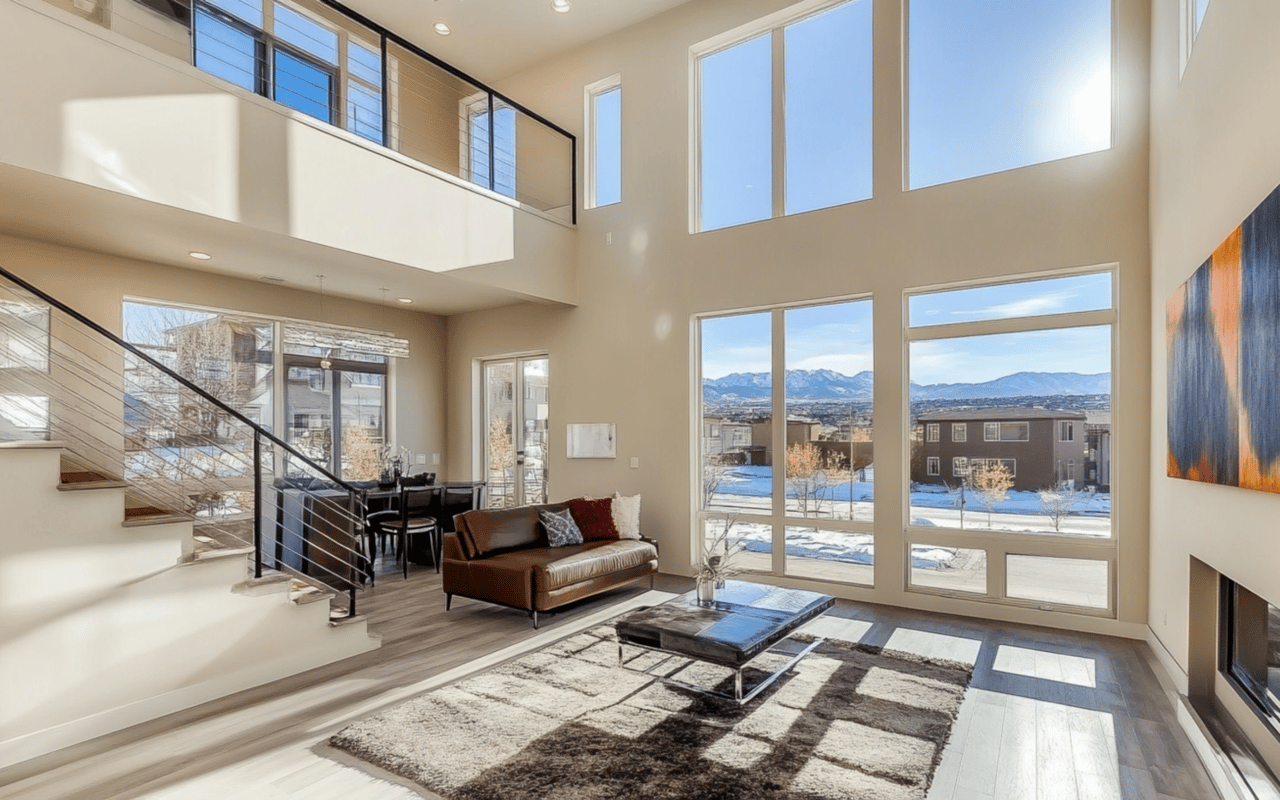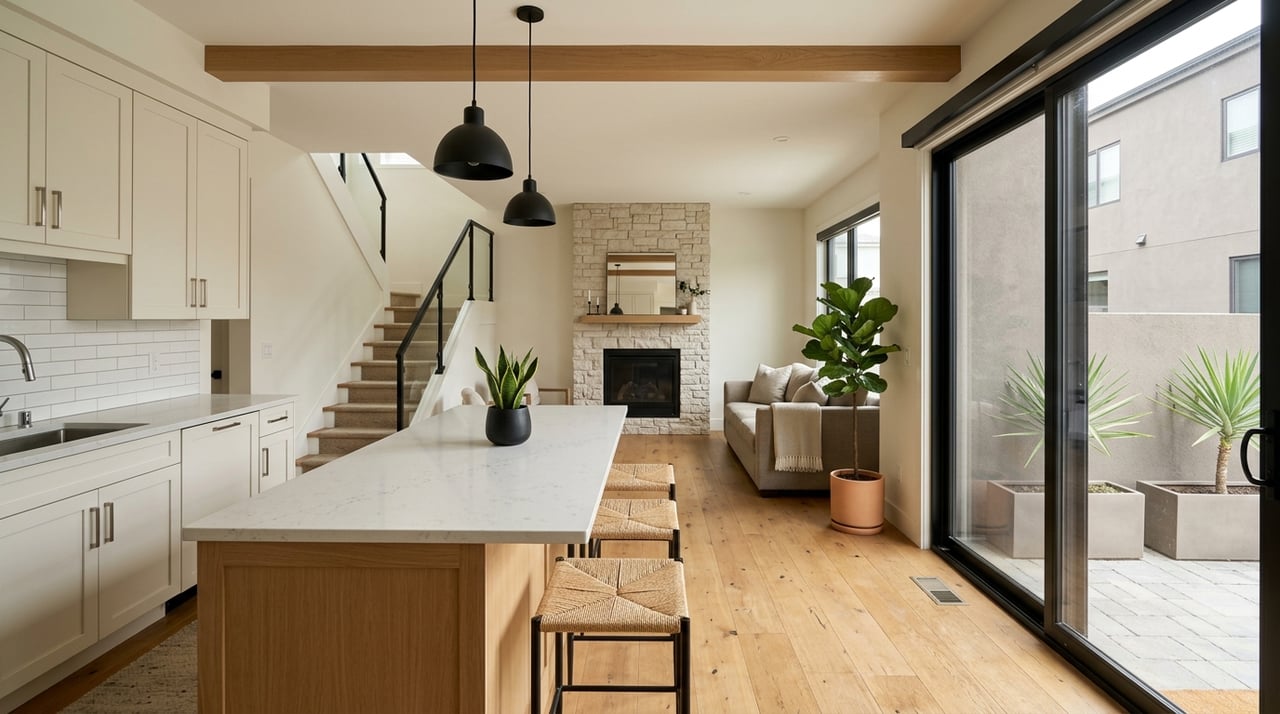
Wondering whether a townhome or condo makes more sense in Downtown Grand Junction? You are not alone. If you want walkable access to dining, shops, parks, and downtown events, the right fit often comes down to how you want to live day to day, not just what the property is called. This guide will help you compare the real differences, ask smarter questions, and choose with more confidence. Let’s dive in.
Why Downtown Grand Junction Appeals
Downtown Grand Junction offers a lifestyle that is hard to replicate in many other parts of the valley. The city and downtown partnership present downtown as a hub for dining, services, shopping, culture, and pedestrian-oriented living, with parks and recreation nearby.
That convenience matters if you want to be close to local businesses, Main Street activity, and outdoor access. Downtown is also near places like Las Colonias and Dos Rios, which add trails and riverfront recreation to the lifestyle mix.
Housing demand downtown has been strong, and the product mix has been limited at times. Local downtown planning materials have continued to describe apartments, townhomes, and live-work units as part of downtown growth, which makes choosing the right property type even more important when options do come up.
What Townhome And Condo Mean In Colorado
In Colorado, a condominium is a type of common interest community where part of the property is owned separately and the rest is owned in common by the unit owners. State law also requires governing documents that address common elements, maintenance, assessments, insurance, and owner responsibilities.
A townhome, by contrast, is often more of a building-style term than an ownership term. In Downtown Grand Junction’s housing study, townhomes are described as a medium-density housing form, usually no taller than three stories, with separate exterior entrances and shared walls.
That distinction matters because the label does not tell you everything. In Colorado, the declaration, bylaws, plat map, and HOA documents usually explain who maintains what, what fees apply, and what restrictions come with the property.
How A Townhome Often Feels
A townhome often feels more like a house. You may have your own exterior entrance, more direct connection to the street, and a layout that feels more private or multi-level.
For some buyers, that setup creates a stronger sense of independence. If you like coming and going through your own front door and want a more traditional residential feel in a downtown setting, a townhome may be appealing.
Downtown examples include Lowell Village Townhomes, located between Main Street and the residential historic district, and Crawford Row Townhomes at Dos Rios, which market riverfront access and a short walk to downtown.
How A Condo Often Feels
A condo often appeals to buyers who want a more lock-and-leave lifestyle. In many condo communities, the association handles more shared maintenance, which can reduce the amount of exterior upkeep you manage personally.
That can be helpful if you travel often, own a second home, or simply want fewer day-to-day property tasks. Still, you should not assume all condos work the same way because the governing documents define the actual responsibilities.
A local downtown example is the Reed Building at 346 Main Street, where residential condos sit above street-level businesses. The property highlights features like private entrances, rooftop outdoor living, a one-car garage, and direct access to Main Street.
Why The Documents Matter More Than The Label
If you remember one thing, make it this: the documents matter more than the name. A property may be marketed as a townhome or condo, but your ownership experience depends on the declaration, CC&Rs, bylaws, and HOA rules.
Colorado DORA advises buyers to review the CC&Rs, plat map, assessment formula, restrictions, and physical condition before going under contract. Those materials often answer the questions buyers care about most, including maintenance duties, fees, and use restrictions.
This is especially important downtown, where building styles, parking arrangements, and mixed-use setups can vary from one project to the next. Two attached properties may look similar online but function very differently once you review the paperwork.
Compare Maintenance Responsibilities
One of the biggest differences between properties is maintenance. Under Colorado law, the association generally handles common elements unless the declaration says otherwise, while the owner is generally responsible for the unit.
That sounds simple, but the details can change a lot from community to community. Before you buy, ask exactly who handles the following:
- Roof
- Siding
- Landscaping
- Snow removal
- Balconies
- Shared hallways or stairways
- Exterior repairs
If you want fewer maintenance tasks, a condo may lean in that direction. If you want a more house-like setup and are comfortable with more responsibility, a townhome may be a better match, but only if the documents support that expectation.
Understand HOA Fees And Assessments
Monthly HOA dues are part of the cost picture for many downtown properties. Those fees may cover some combination of common-area maintenance, insurance, landscaping, snow removal, and other shared expenses.
You will also want to ask whether there have been special assessments or whether any are being discussed. Colorado guidance for buyers recommends checking for deferred maintenance and pending special assessments, since those can affect your budget after closing.
A low monthly fee is not always the best sign if major repairs have been postponed. In some communities, a slightly higher fee may reflect more consistent upkeep and better reserve planning.
Think Through Parking And Mobility
Parking can be a major deciding factor in Downtown Grand Junction. The city reports more than 1,100 metered spaces downtown, plus the 434-space Rood Avenue garage. The city also reports that downtown permit parking will be priced at $50 per month beginning February 1, 2026.
That means you should look closely at how parking works for any property you are considering. A deeded garage space, an assigned spot, a leased arrangement, or reliance on city-permit parking can each create a different daily experience.
Ask direct questions such as:
- Is parking deeded, assigned, leased, or permit-based?
- How many spaces come with the property?
- Is guest parking available?
- Is garage storage included?
- How far is the parking area from the unit entrance?
Consider Financing Early
Financing can be another point of difference, especially with condos. HUD says FHA-insured condominium loans are available only for FHA-approved projects or projects that meet single-unit approval requirements.
If you plan to use FHA financing, ask your lender early whether the specific condo project qualifies. That step can save time and prevent frustration later in the process.
Even if you are not using FHA, it is still smart to start the financing conversation early. Some attached properties have project-specific details that can affect lending timelines or loan options.
Match The Property To Your Lifestyle
The best choice often comes down to how you want downtown living to feel. If you picture a more private entrance, a home that reads more like a traditional residence, and a stronger street-level presence, a townhome may fit your goals.
If you want convenience, simpler exterior upkeep, and an easy lock-and-leave setup near downtown restaurants, shops, and events, a condo may make more sense. Neither option is automatically better. The right answer depends on your routines, budget, travel habits, and comfort with HOA structure.
For lifestyle and second-home buyers, downtown can offer a compelling mix of walkability and access to recreation. Dos Rios adds to that appeal with riverfront and trail access close to downtown.
Questions To Ask Before You Decide
When you tour a downtown townhome or condo, bring a short list of questions that helps you compare properties clearly. These are some of the most useful ones:
- What does the monthly HOA fee include?
- Who handles the roof, siding, and exterior maintenance?
- Are there any pending special assessments or major capital projects?
- Are rentals restricted?
- Are pets restricted?
- Are exterior changes limited?
- Is the HOA registered as required in Colorado?
- What insurance does the association maintain?
- How is parking handled?
- If using FHA financing, is the condo project eligible?
These questions help you move beyond the marketing language and understand the real ownership experience. That clarity is what leads to better decisions.
A Smart Way To Choose Downtown
If you are choosing between a townhome and condo in Downtown Grand Junction, start with your lifestyle, then confirm the details in writing. Think about how often you travel, how much maintenance you want to handle, how important private entry is to you, and what kind of parking setup you need.
From there, review the HOA documents carefully and compare the monthly costs, restrictions, and long-term upkeep issues. In a market where downtown inventory can be limited and each project has its own structure, careful comparison matters.
The right property should support the way you want to live in Grand Junction, not just look good in photos. If you want a trusted local guide to help you compare options, review the details, and think through resale and renovation considerations, Kelly Maves is here to help.
FAQs
What is the difference between a condo and a townhome in Downtown Grand Junction?
- In Downtown Grand Junction, a condo is a form of ownership defined under Colorado common interest community law, while a townhome is often a building-style description. The governing documents determine maintenance, fees, and owner responsibilities.
Are townhomes better than condos for Downtown Grand Junction buyers?
- The better choice depends on your lifestyle. A townhome often feels more house-like with a private exterior entrance, while a condo often suits buyers who want a more lock-and-leave setup.
What HOA documents should you review before buying a Downtown Grand Junction condo or townhome?
- You should review the declaration, CC&Rs, bylaws, plat map, assessment formula, restrictions, and available information about the property’s physical condition before going under contract.
How does parking work for Downtown Grand Junction condos and townhomes?
- Parking can vary by property. It may be deeded, assigned, leased, or based on city parking options, so you should confirm the exact arrangement for the property you are considering.
Can you use FHA financing to buy a Downtown Grand Junction condo?
- FHA financing may be possible, but condo eligibility depends on whether the project is FHA approved or meets single-unit approval requirements. Ask your lender about the specific project early in the process.
What should you ask about HOA fees for a Downtown Grand Junction property?
- Ask what the monthly fee includes, whether there are pending special assessments, whether repairs have been deferred, and which maintenance and insurance responsibilities belong to the association versus the owner.