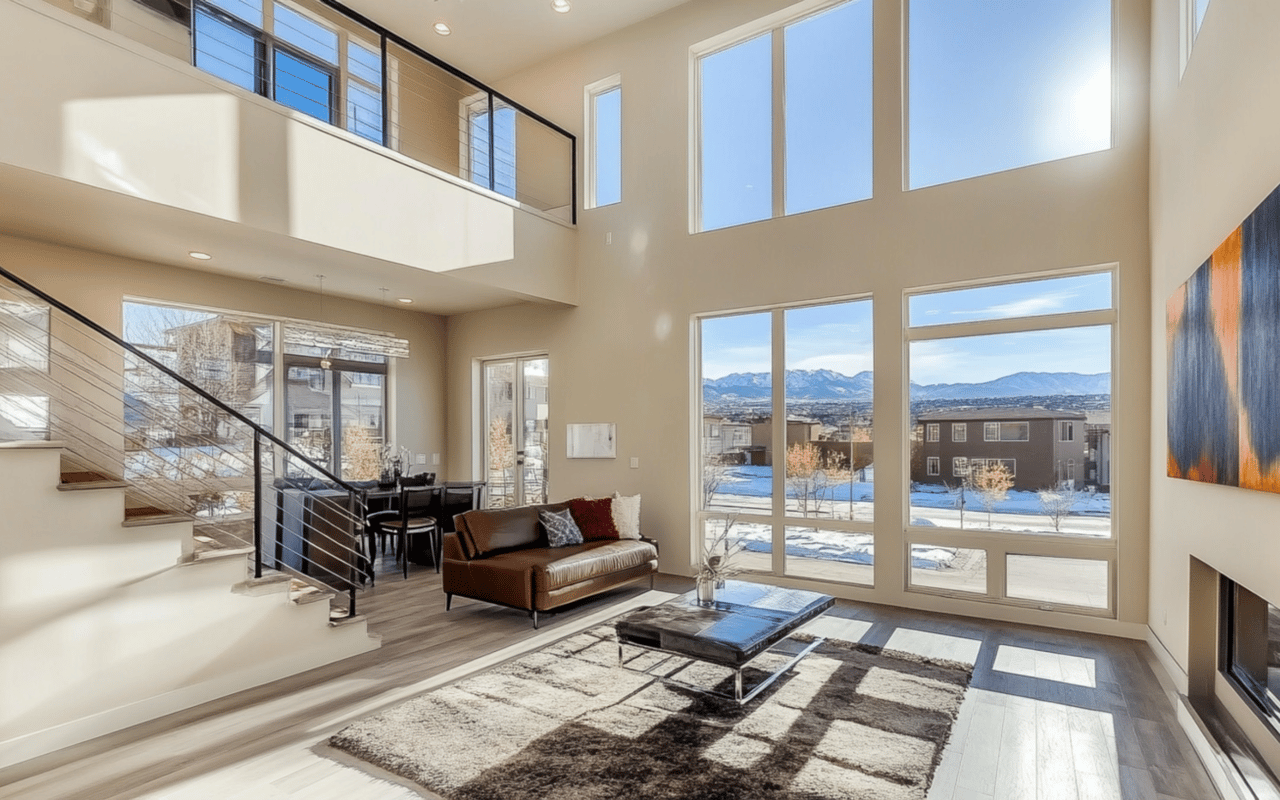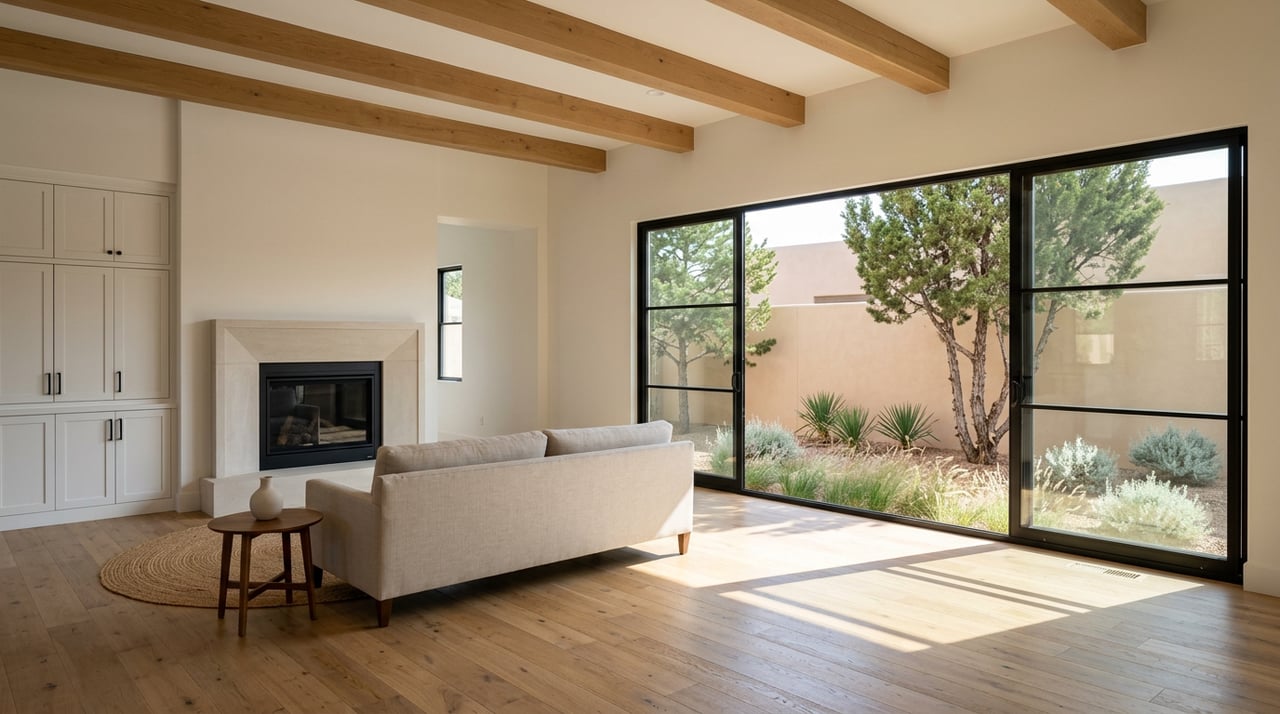
Trying to choose between a brand-new build and a resale home in Redlands? You are not alone. The Redlands planning area blends scenic mesas, custom neighborhoods, and growing master-planned communities, which makes the choice both exciting and complex. In this quick guide, you will learn how lots, styles, energy codes, timelines, and true costs compare in Redlands so you can buy with confidence. Let’s dive in.
Redlands at a glance
Set just west of the Colorado River near Grand Junction, the Redlands includes older subdivisions, golf-course communities, and newer master-planned areas. Local planning and land use are guided by Mesa County and, in parts, the City of Grand Junction, as outlined in the county’s Redlands Area Plan. You will find larger parcels in many established pockets alongside compact townhome sites and new lots in growing communities. For planning context and maps, review the county’s Redlands Area Plan.
Inventory spans townhomes to custom builds on premium view lots. Recent neighborhood-level snapshots place the median sale price in the high 600s, with one data point near about $689,000. You can spot current examples in recent Redlands listings and new-home pages. Active builders range from small custom shops to semi-custom and production builders that often show homes during the local Parade of Homes, as covered by the Business Times.
New build vs resale: key differences
Lot and site
- Resale: Established Redlands neighborhoods often feature larger, mature lots with landscaping and privacy. Some properties also have irrigation access, which can affect both value and maintenance patterns, as noted in county planning materials.
- New build: Master-planned areas like Redlands 360 offer a spectrum of lot sizes from compact townhome sites to half-acre or larger premium lots. When you compare sites, look at orientation for views, slope and retaining needs, and setbacks that influence real outdoor living space.
Style and character
- Resale: You will see Southwestern, Pueblo-influenced, Mediterranean, and traditional styles with mature trees and established streetscapes. Older homes may offer custom details and non-standard rooms that add character.
- New build: Expect contemporary floor plans, open layouts, and builder-curated finish packages. Newer townhomes and lower-maintenance products are becoming more common in master-planned sections.
Energy and code baseline
Colorado requires local jurisdictions that update codes within specific windows to adopt the 2021 IECC along with model electric-ready and solar-ready provisions. Grand Junction and Mesa County have adopted the 2021 IECC and related local amendments, which sets a high baseline for recent new construction. You can review the state’s policy framework in the Colorado Energy Office toolkit and the City of Grand Junction’s local ordinance.
What that means for your new-build expectations:
- Better insulation, windows, and verified air sealing, plus testing in many cases, as summarized in the 2021 IECC residential overview.
- Mechanical ventilation strategies designed for tighter homes.
- Electric-vehicle charging readiness and solar-ready provisions per state and local rules. Ask if the builder installs full equipment or only rough-ins.
With resales, energy features vary by the home’s age and past upgrades. The practical step is to compare expected utility and retrofit costs with what a new home delivers out of the box.
Timelines and process
- Resale: You follow a standard purchase, inspection, and closing path, often with a faster move-in.
- New build: Timelines depend on product type. Quick-move-in or spec homes can close sooner, while to-be-built or custom homes follow staged milestones for selections, approvals, and construction. Local builders advertise both move-in ready and custom options, so confirm the schedule and contract milestones up front. Many regional builders outline processes similar to those described by firms like Dahl Built Homes.
Upgrades and pricing
- New build: Base pricing may exclude key finishes like counters, flooring, appliances, and landscaping. Ask for detailed standard specifications, upgrade menus, and a clear change-order policy. Touring Parade of Homes models covered by the Business Times can help you benchmark finish levels.
- Resale: You buy in as-is condition, subject to negotiated repairs. Use inspections and contractor estimates to budget for near-term updates.
Warranty and recourse
For new construction, insist on a written builder warranty and understand Colorado’s Construction Defect Action Reform Act. CDARA includes pre-litigation procedures and strict timelines that begin at substantial completion and from discovery. A recent appellate case explains how these timelines apply in practice, which you can review on Justia’s case record.
Local factors that affect cost
Water and irrigation
Irrigation access has long influenced lot utility and value in the Grand Valley. Confirm potable water and irrigation availability for any property you are considering, plus the costs and rules for service.
Floodplain, slopes, and soils
River bluffs, terrace deposits, slope or slumping, and floodplain constraints can impact build costs, insurance, and what is allowed on edge lots. Ask for geotechnical reports, floodplain maps, and any county guidance. The Redlands Area Plan outlines relevant site constraints for planning.
Wildfire and WUI
Recent code amendments address wildland-urban interface conditions. Expect details like screened vents, underfloor enclosures, and ignition-resistant materials in certain locations. Check the City of Grand Junction’s adoption ordinance and any local maps or guidelines before you finalize designs or bids.
Special districts and assessments
Some master-planned sections use metropolitan districts to finance roads and amenities. These districts can levy bonds and mill levies that affect your annual costs. Review the Redlands 360 Metropolitan District’s public resources to understand how fees and timelines work.
What fits your priorities
Choose a resale if you want:
- A larger, mature lot with established landscaping and instant privacy.
- Immediate move-in and less decision-making on finishes.
- A home with character and proven neighborhood context.
Choose a new build if you want:
- Contemporary layouts, energy and ventilation features at the 2021 IECC baseline, and EV or solar readiness.
- Predictable streetscapes, sidewalks, and new amenities in a master-planned setting.
- A tailored finish package and warranty coverage.
Smart checklists
If you choose new construction
- Get a signed spec sheet listing base inclusions versus upgrades, plus a sample contract with allowances and change-order rules. Builders outline processes similar to those shown by firms like Dahl Built Homes.
- Request the permit’s code snapshot. Confirm the IECC edition, any local amendments, and whether the home targets third-party ratings. See the city’s ordinance reference and the state’s energy-code toolkit.
- Ask for a build schedule with milestones and remedies if timing slips.
- Review written warranty terms and who services systems. Vet builder reputation with HBA participation and references. The local HBA listing via the Grand Junction Chamber is a good start: HBA of Western Colorado.
- Verify site conditions and utilities, including floodplain status, irrigation, slope or soils, and any off-site improvement costs. County planning materials like the Redlands Area Plan help frame questions.
If you choose a resale
- Order a full home inspection and get bids for roof, HVAC, foundation, and drainage. Compare near-term costs to a new-build upgrade budget.
- Evaluate lot maturity and privacy, including landscaping, tree cover, and irrigation access.
- Request seller records for past permits, service logs, and any HOA or resident-association rules and assessments.
Ready to compare homes in Redlands?
You deserve a clear, low-stress path to the right home. If you want help weighing lot potential, builder specs, code details, and long-term costs specific to the Redlands, we are here to guide you. Connect with Kelly Maves to compare options and move forward with confidence.
FAQs
What is the Redlands in Mesa County?
- The Redlands is a planning area west of the Colorado River near Grand Junction that includes a mix of older subdivisions, golf-course neighborhoods, and newer master-planned communities, as described in the county’s Redlands Area Plan.
How do new-home energy codes affect my costs?
- New builds planned under the 2021 IECC typically deliver tighter envelopes, verified ventilation, and EV or solar readiness, which can lower utility and retrofit costs compared to many older homes. Check the local ordinance for specifics.
Are metro district fees common in Redlands new builds?
- Some master-planned areas use metropolitan districts that levy taxes or fees to fund infrastructure. Review the district’s public documents, like those from Redlands 360, to understand annual costs before you buy.
Do larger lots only come with resales?
- Not always. Many resales sit on larger, mature parcels, but master-planned areas also offer a range of lot sizes, including premium larger sites. Compare actual area, slope, and orientation to understand usable outdoor space.
What if I find defects after buying a new build?
- Review your written builder warranty first. For larger issues, Colorado’s CDARA framework requires specific notice steps and sets strict timelines from substantial completion and from discovery. Consult the statute and act quickly.