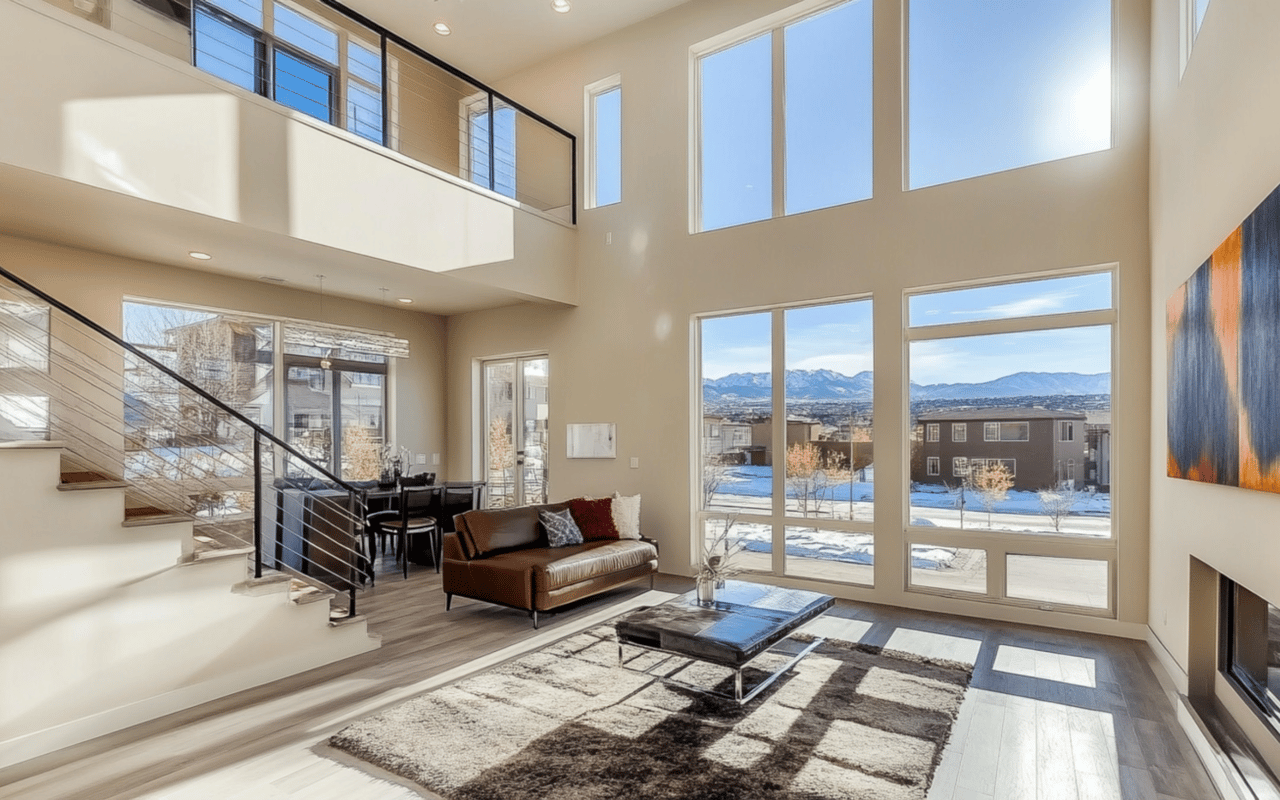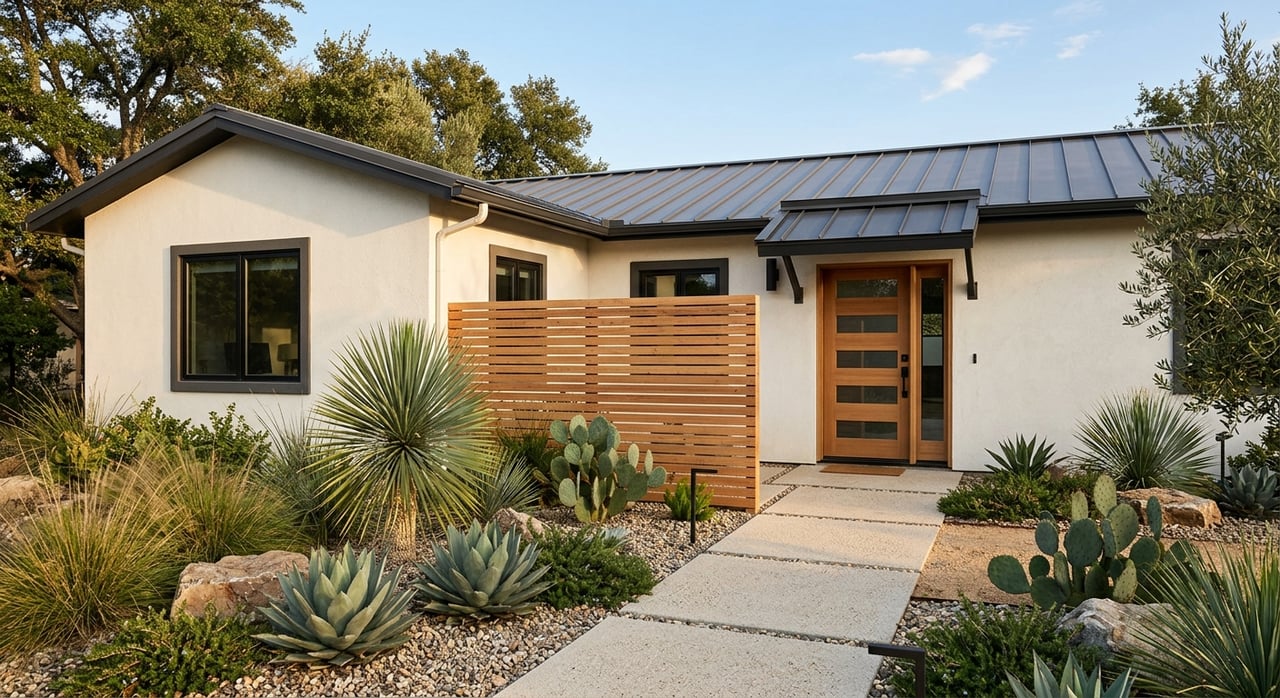
Thinking about updating an older home in North Grand Junction? You are not alone. Homes near North Avenue often come with character, established lots, and layouts from a different era, but they can also come with dated finishes, closed-off rooms, and bigger renovation questions than you expected. The good news is that the right updates can improve how the home lives today while protecting resale value tomorrow. Let’s dive in.
North Grand Junction Homes Have Layers
North Grand Junction is not defined by one single home style. According to the City of Grand Junction planning documents, North Avenue developed as a major corridor in the mid-1950s, while nearby historic areas include homes built from 1893 through 1929.
That mix matters when you plan improvements. You may be working with an early-20th-century home with smaller rooms and original trim, or a mid-century property with a more modest footprint and dated systems. In either case, the smartest approach is usually to update selectively instead of trying to force a full custom remodel that overshoots the market.
Grand Junction’s housing data supports that mindset. The city has a median owner-occupied home value of $420,700, according to Census Reporter’s Grand Junction profile. For many owners, that means focusing your budget on improvements buyers will notice, appreciate, and support in the market.
Start With What Buyers Notice
When you modernize an older home, not every project has equal impact. If your goal is better livability or stronger resale appeal, visible upgrades usually do more work than highly customized changes hidden behind the walls.
The 2025 Remodeling Impact Report from NAR found strong homeowner satisfaction and buyer demand around kitchen upgrades, bathroom renovations, and roofing. The same report also showed strong perceived value for exterior improvements like front doors, siding, and paint.
In practical terms, the best starting points are often:
- Front entry improvements
- Fresh exterior paint or repaired trim
- Kitchen surface and fixture updates
- Bathroom refreshes
- Roof condition and visible deferred maintenance
- Updated lighting
- Energy-efficiency improvements
- Water-wise landscaping
Update the Kitchen Without Overbuilding
In many older North Grand Junction homes, the kitchen is where age shows first. Cabinet layouts can feel tight, storage may be limited, and finishes may look worn even if the space still functions.
A full gut remodel is not always necessary. You can often modernize the look and feel with better lighting, updated hardware, durable countertops, refreshed cabinetry, and more usable workflow. If you are planning to sell, this type of improvement can make listing photos stronger and help buyers feel the home has been cared for.
If walls need to move to open the kitchen to adjoining living space, treat that as a structural project, not just a design choice. The city and county regulate alterations, repairs, and additions under adopted codes, so bigger layout changes should always be reviewed through the right contractor and permit process.
Bathrooms Still Carry Real Weight
Bathrooms are another place where older homes can feel behind the market. Small vanities, older tile, dim lighting, and limited storage can make the whole home feel dated.
You do not need a spa-level renovation to create a strong result. Clean finishes, updated fixtures, improved lighting, and practical storage can make a bathroom feel current and functional. For resale, that often matters more than highly personalized materials.
If plumbing work expands beyond surface-level swaps, plan for permit and contractor review. What looks simple at first can become more involved once walls or floors are opened.
Respect the Floor Plan, but Improve Flow
One of the most common frustrations in older homes is the layout. Smaller, compartmentalized rooms and older circulation patterns can make daily living feel less connected than what many buyers expect today.
That said, not every wall should come down. Some layouts can be improved with wider openings, better sight lines, or smarter use of adjoining spaces instead of full structural reconfiguration. The goal is to create better flow while preserving stability, function, and budget.
This is especially important because major changes can trigger code and permit requirements. Mesa County’s permit guidance notes that most construction requires a building permit, and remodel permit fees are tied to project valuation.
Don’t Ignore Mechanical Systems
A home can look beautifully updated and still feel old if the core systems are not working well. In North Grand Junction, modernization often means more than cabinets and paint. It can also include electrical, plumbing, HVAC, insulation, and air sealing.
Mesa County and the City of Grand Junction have updated code frameworks, including newer residential and building codes. The county also notes that the 2021 IECC will be enforced beginning September 1, 2025, and permit work involving electrical or plumbing may require license review, according to its adopted codes and regulations page.
That does not mean every update has to become a major overhaul. It does mean you should think carefully before opening walls or combining cosmetic work with system changes without a clear plan.
Energy Efficiency Fits the Climate
Grand Junction’s semi-arid climate should shape your renovation choices. The National Weather Service reports average annual precipitation of 9.42 inches, hot dry summers, and about 64.5 days per year at 90°F or above in the area, based on the Grand Junction station digest.
That climate makes comfort upgrades especially worthwhile. ENERGY STAR says sealing air leaks and adding insulation can reduce annual energy bills by up to 10%. If you are already replacing siding or opening up parts of the home, that can be a smart time to improve insulation and air sealing.
For buyers, these improvements are not always flashy, but they can make the home feel better year-round. For sellers, they support a stronger story around maintenance, efficiency, and practical value.
Exterior Updates Matter on North Avenue
Along and near North Avenue, curb appeal carries extra weight. The city’s planning documents treat North Avenue as more than a travel route, with a long-term focus on better streetscape character, pedestrian connections, street trees, and coordinated frontage improvements.
For homeowners, that means visible exterior updates can make a meaningful difference. A cleaner entry, repaired walkway, fresh paint, updated house numbers, improved lighting, and trimmed landscaping can change the first impression quickly.
According to the NAR Remodeling Impact Report, exterior features like new front doors, siding, and paint tend to perform well in homeowner satisfaction and perceived value. In older-home corridors, these projects often deliver outsized visual payoff without requiring a full remodel.
Choose Landscaping for Grand Junction
A traditional high-water lawn is not always the best fit for this climate. In Grand Junction, lower-water landscaping often makes more sense for maintenance, appearance, and long-term practicality.
The city’s Waterwise Lawn Program offers rebates of $2 per square foot for converting high-water grass to low-water plants and $1 per square foot for converting high-water grass to low-water grass or groundcover. That can make drought-tolerant improvements more appealing if you are reworking the front yard.
For homes in North Grand Junction, the best curb appeal usually comes from simple, climate-appropriate choices:
- Defined walkways
- Low-water planting beds
- Drip irrigation
- Shade where practical
- Clean gravel or mulch zones
- Repaired fencing and edging
- A clear, welcoming front entry
If your project includes a new or widened driveway or work in the public right-of-way, check city requirements first. Permits may be needed for driveway and right-of-way changes.
Know When to Bring in a Pro
Older homes can hide issues behind walls, under flooring, and in original finishes. Before you start demo, it is smart to slow down and make sure the work is being approached safely and legally.
For homes built before 1978, the EPA says lead-based paint is a real concern, and renovation work that disturbs it must follow the RRP rule using lead-safe certified contractors. The EPA also advises asbestos sampling by a trained professional if renovation may disturb suspect materials like old floor tile, ceiling tile, or pipe wrap, as explained in its lead paint guidance.
A good rule of thumb is to bring in a qualified contractor when a project touches:
- Structural walls or framing
- Electrical systems
- Plumbing lines or fixtures beyond simple swaps
- HVAC systems
- Windows tied to code compliance
- Insulation inside opened walls
- Materials that may contain lead or asbestos
Historic Status Can Change the Process
Not every older home in North Grand Junction is historic, but some properties may fall within a designated district or appear on a historic site list. If that applies, exterior changes may require another layer of review.
The Grand Junction Historic Preservation Board reviews proposals related to historic resources as part of the city’s preservation process. If you own or are buying an older home with possible historic status, it is worth confirming that early before planning major exterior work.
This does not have to stop a project. It just means the path to modernization may need a little more planning.
Focus on Smart, Visible Improvements
In North Grand Junction, the best renovation strategy is usually not to do everything. It is to modernize the parts of the home that feel the most dated, the most visible, or the least efficient.
That often means starting with the front elevation, kitchen, bathrooms, paint, lighting, roof condition, energy efficiency, and water-wise landscaping. Those are the improvements most likely to support daily livability, stronger marketing, and buyer confidence.
If you are weighing whether to renovate before selling, or trying to decide which older home has the best upside, local guidance matters. With deep Grand Junction market knowledge and practical renovation insight, Kelly Maves can help you think through which updates make sense for your property, your budget, and your next move.
FAQs
What updates matter most for an older home in North Grand Junction?
- The most practical priorities are usually the front exterior, kitchen, bathrooms, paint, lighting, roof condition, energy-efficiency improvements, and water-wise landscaping.
Do older homes near North Avenue need permits for remodeling?
- Many projects do. Mesa County notes that most construction requires a building permit, especially when work involves structure, electrical, plumbing, or larger remodels.
Should you open up walls in an older North Grand Junction home?
- Sometimes, but wall removal should be treated as a structural project and reviewed by the right contractor with permit and code requirements in mind.
Are lead paint and asbestos concerns common in older Grand Junction homes?
- They can be, especially in homes built before 1978. Before demo or disturbing old materials, it is wise to involve lead-safe and asbestos-trained professionals when needed.
Is water-wise landscaping a good fit for North Grand Junction homes?
- Yes. Grand Junction’s dry climate and the city’s Waterwise Lawn Program make lower-water landscaping a practical choice for curb appeal and ongoing maintenance.
Do all older homes in North Grand Junction require historic review?
- No. Historic review is generally relevant only if a property is locally designated, located in a designated district, or listed as a historic resource.