Wondering if your Redlands view home should be priced higher just because it faces the Monument or sits on a scenic lot? That question trips up a lot of sellers, especially in a market where views clearly matter but not every view carries the same value. If you want to protect your upside without pricing yourself out of the first month of buyer interest, a smart strategy matters. Let’s dive in.
Why view pricing is different in Redlands
Redlands is not just another pocket of the Grand Valley. The area is closely tied to red cliffs, canyons, open space, and the visual backdrop of Colorado National Monument. Local planning documents also show that visual character and skyline protection are part of how the area is managed, which helps explain why scenic homes often sit in a higher price niche.
That premium shows up in market data. Realtor.com’s May 2026 snapshot lists Mesa County at a $499,000 median listing price, Redlands at $620,000, and Redlands Mesa at $1.1 million. In other words, Redlands Mesa sits well above both Redlands overall and the countywide median, but it should be treated as its own submarket rather than blended into the broader Redlands numbers.
Separate Redlands from Redlands Mesa
This is one of the biggest pricing mistakes sellers make. Redlands and Redlands Mesa are related markets, but they are not interchangeable. Redlands Mesa is a smaller, thinner niche, and Realtor.com and Redfin track it separately for a reason.
That distinction matters because the pace and buyer expectations can differ. Realtor.com classifies Redlands as a seller’s market, while Redlands Mesa is identified as a buyer’s market. Redfin’s May snapshot also shows how thin the Redlands Mesa market can be, with only four sales in that window, which means one outlier sale can skew your pricing expectations fast.
Not every view deserves the same premium
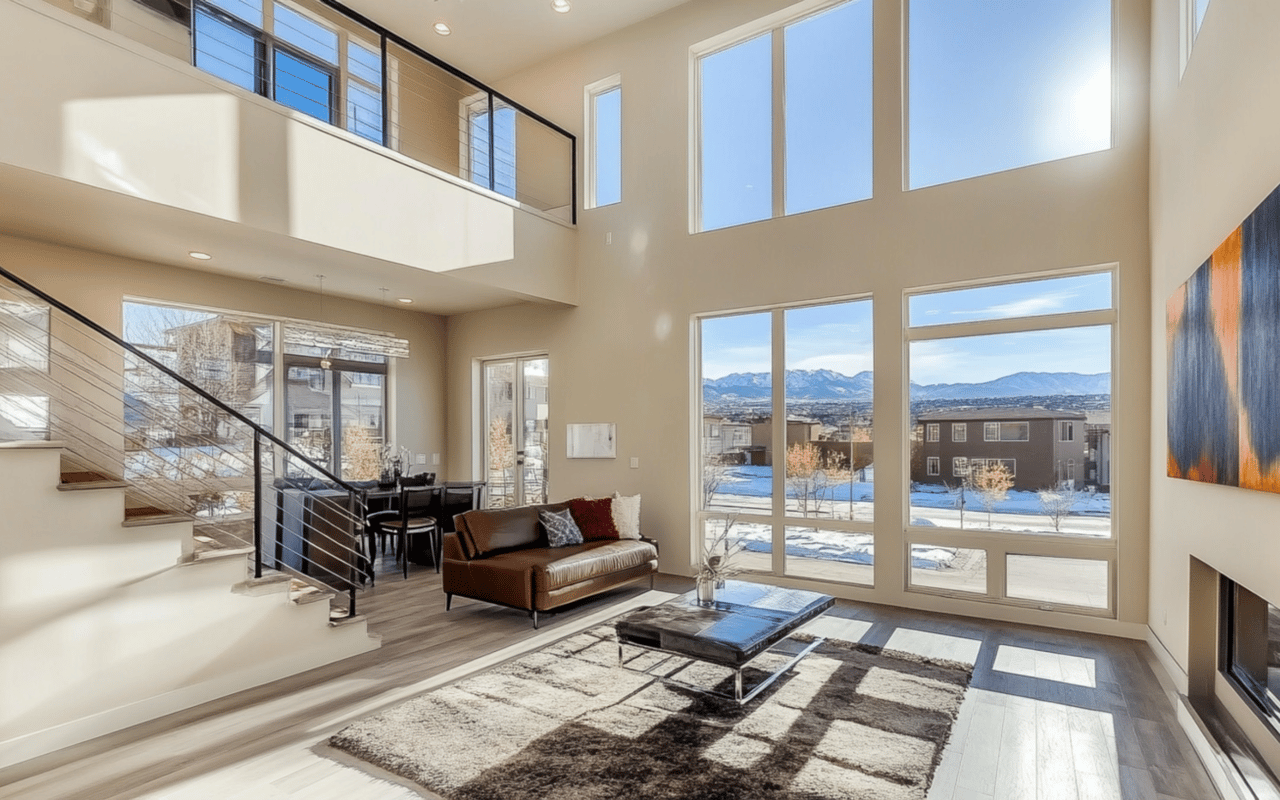
A view home is not automatically a top-of-market home. The strongest premiums usually come from views that are unobstructed, durable, and easy to enjoy from the places where you actually live. A partial sightline from one bedroom window is different from a panoramic Monument view from the great room and covered patio.
Research on housing value supports that difference. Unobstructed mountain views are a measurable amenity, and degraded or blocked views are worth less. In Redlands, that means the durability of the view matters just as much as the beauty of the view.
Protected views matter more
If your home’s sightline is protected by topography or supported by local planning patterns, that can strengthen your pricing position. The Redlands area plan emphasizes preserving foreground, middleground, and background visual character and minimizing ridgeline development that blocks skyline views. While no seller can promise what every nearby property owner will do, some views are simply more defensible than others.
That is why a protected Monument-facing setting should not be priced the same way as a home with a view that could be easily interrupted. Buyers in this segment often notice the difference quickly. Your pricing should too.
Orientation and elevation count
Two homes on the same street can have very different view value. Orientation, lot elevation, privacy, and how the home is positioned on the lot all shape the buyer experience. If your main living spaces and outdoor areas capture the view well, that usually supports a stronger price than a home where the best sightline is limited or awkward.
Outdoor living is part of the value
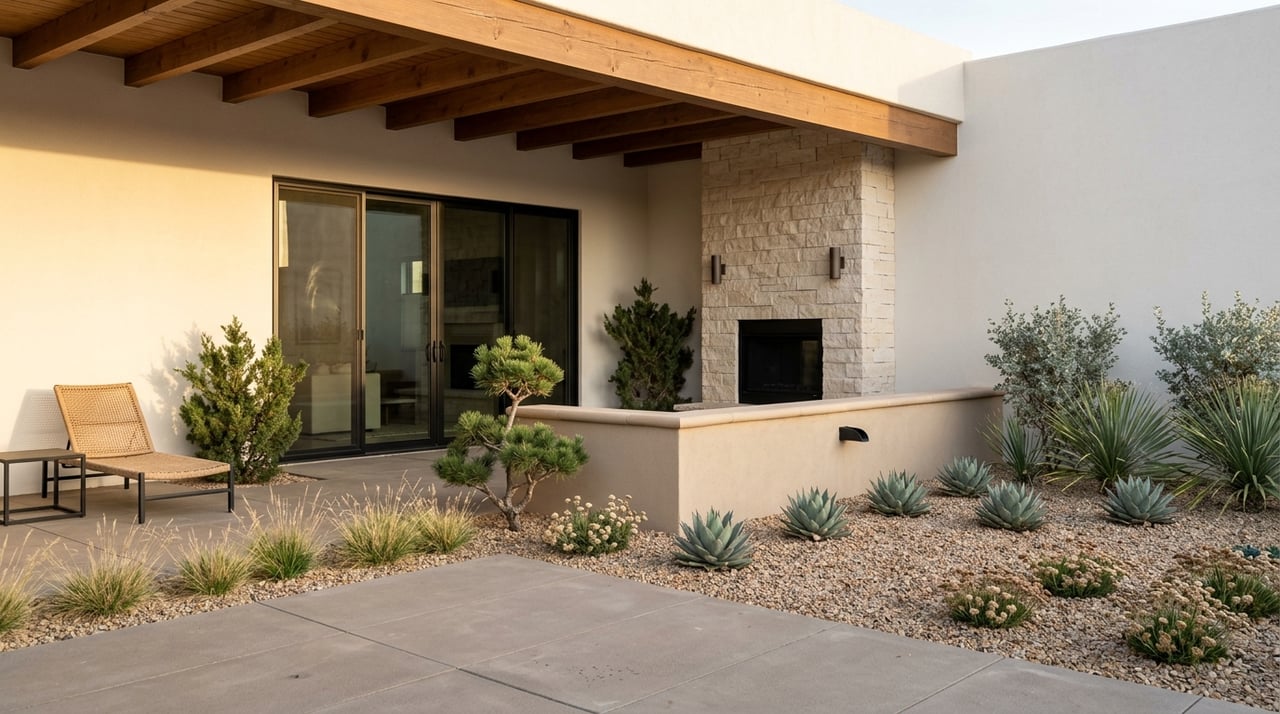
In Redlands, the outdoor experience is often part of what buyers are paying for. A scenic property with a usable covered patio, shaded seating area, and strong indoor-outdoor flow usually feels more complete than a home with similar views but little functional exterior living space.
That matters even more because Redfin and First Street data flag 99% of Redlands homes for major heat risk, with more days above 96 degrees projected over the next 30 years. In practical terms, shade and comfort matter. A large deck alone may not impress buyers if it is hard to use during warmer months.
Usability beats square footage
When pricing a view home, focus on how livable the outdoor areas feel. Ask questions like:
- Can you comfortably sit outside during late afternoon or early evening?
- Is there shade, cover, or a built-in feature that makes the space functional?
- Does the patio connect naturally to the kitchen, great room, or primary suite?
- Do the seating areas actually frame the best views?
If the answer is yes, that can help support a stronger list price. If not, the view premium may be more limited than you expect.
Condition still affects the final number
A standout view does not erase deferred maintenance, dated finishes, or weak presentation. Buyers may pay a premium for scenery, but they still compare condition carefully, especially when higher price points raise expectations.
That is why strategic pricing starts with honesty. If your home is turnkey, well-maintained, and visually clean, the view premium has a better chance of showing up in the final sale price. If it needs cosmetic work, some of that premium may get absorbed by the buyer’s perceived update budget.
Presentation supports pricing power
Staging and preparation still matter in this segment. The National Association of Realtors’ 2025 staging report found that 29% of agents saw a 1% to 10% increase in value from staging, and 49% saw reduced time on market. Common recommendations included decluttering, deep cleaning, and curb appeal improvements.
For a Redlands view home, preparation should also highlight the sightlines. That can include simplifying furniture placement, cleaning windows, trimming landscaping that interrupts views, and making patios feel intentional and inviting. The goal is simple: help buyers feel the value immediately.
Use matched comps, not generic averages
The most strategic way to price a Redlands view home is to start with the right comparable sales. That means comparing your home to properties with similar view quality, orientation, privacy, lot elevation, outdoor usability, and condition. A generic neighborhood average is not enough.
This matters even more in a thin micro-market like Redlands Mesa. When there are limited recent sales, one especially high or low closing can distort the picture. That is why disciplined comp selection matters more than chasing a headline number from the nearest sale.
What a strong comp set should match
Look for homes that line up on the features buyers actually pay for:
- Similar view type and quality
- Similar orientation toward the view
- Similar lot height or vantage point
- Similar privacy from neighbors
- Similar outdoor living function
- Similar interior condition and finish level
- Similar submarket, especially Redlands versus Redlands Mesa
If those factors do not line up, your pricing adjustments should reflect that. A premium view cannot simply be copied onto every nearby sale.
Price for the market you are in
It is tempting to price from the highest possible interpretation of your home. But local data suggest that Redlands is still a market where pricing needs to be grounded. Realtor.com shows Redlands with an average sale-to-list ratio of 98%, while Redfin places it at about 97%, which points to homes selling close to asking, not far above it as a rule.
That is an important reality check. If your home launches too high, you may lose momentum during the most important window of the listing cycle. Zillow research also found that homes priced above estimated market value sell more slowly, which is the opposite of what most sellers want.
The first month matters most
Realtor.com’s 2026 research says the first four weeks are the make-or-break period, and the best results often happen when a home closes about four weeks after listing. For a Redlands view home, that means your initial list price needs to hold up from day one.
You want buyers to feel that the home is special and fairly positioned. If they sense the price is aspirational rather than supported, they may hesitate, wait, or move on. In a niche scenic market, that lost early energy can be hard to win back.
Marketing should reinforce the price
Strong marketing can help buyers understand why your home deserves its price, but it should never be used to cover for overpricing. Instead, the right presentation works best when the list price is already well-supported.
This is where view homes need extra care. Buyers often decide whether a property is worth seeing based on what they can understand online in the first few seconds. If the listing fails to show the true view experience, the premium can get lost before the showing even happens.
Show the view from real living spaces
Photos should do more than prove the home has scenery nearby. They should show the actual sightlines from the great room, kitchen, primary suite, patio, and other key spaces. Zillow research has found that homes with fewer than nine photos perform worse than listings with more complete photo sets, and stronger first-week engagement is linked to faster sales.
Video and immersive tools can help too. Zillow has reported that listings with a 3D Home tour can sell 14% faster and receive 37% more views. For a scenic Redlands property, that kind of presentation can help buyers understand the experience before they ever step inside.
Launch when the home is truly ready
Timing is not just about the calendar. It is also about whether the property is fully prepared to make a strong first impression. For a view home, that includes clean sightlines, polished outdoor spaces, and marketing that clearly communicates the setting.
That may mean waiting until landscaping is tidy, outdoor furniture is in place, and windows and glass doors are spotless. Since the first month matters so much, you want your launch to happen when the home and the marketing both support the number.
A strategic pricing mindset for Redlands sellers
The best way to price a Redlands view home is to treat the view as one part of a larger value story. Yes, scenery matters here. But the strongest results usually come when you combine matched comps, realistic adjustments for view quality and durability, honest condition analysis, and polished day-one presentation.
That is especially true if your property sits in a niche slice of the market, such as Redlands Mesa, golf-adjacent areas, or lots with direct Colorado National Monument orientation. In those cases, pricing is less about using broad neighborhood averages and more about understanding what buyers will recognize as truly comparable.
If you want a pricing strategy that reflects both the local market and the real lifestyle value of your property, working with a team that understands Redlands at the neighborhood level can make a meaningful difference. When you’re ready to talk through your home’s position, connect with Kelly Maves for a thoughtful, market-smart plan.
FAQs
How should you price a Redlands view home?
- Start with matched comparable sales, then adjust for view quality, lot elevation, privacy, outdoor living usability, and condition rather than relying on a generic neighborhood average.
Does every Redlands view add the same value?
- No. Protected, unobstructed, and durable views usually support a stronger premium than partial, seasonal, or easily blocked views.
Should a Redlands view home be priced above every nearby sale?
- No. A higher price needs support from comparable properties with similar orientation, sightlines, condition, and outdoor living features.
Why does condition matter for a Redlands scenic home?
- Buyers may pay more for a great view, but deferred maintenance, dated finishes, or poor presentation can reduce that premium and extend time on market.
Why is outdoor living important when pricing a Redlands view property?
- In a market with major heat risk, shaded and usable patios or seating areas can make the view more livable and help justify stronger pricing.
Is Redlands Mesa the same market as Redlands overall?
- No. Redlands Mesa is a separate, smaller submarket with different pricing and inventory dynamics, so it should be analyzed on its own when choosing comps.