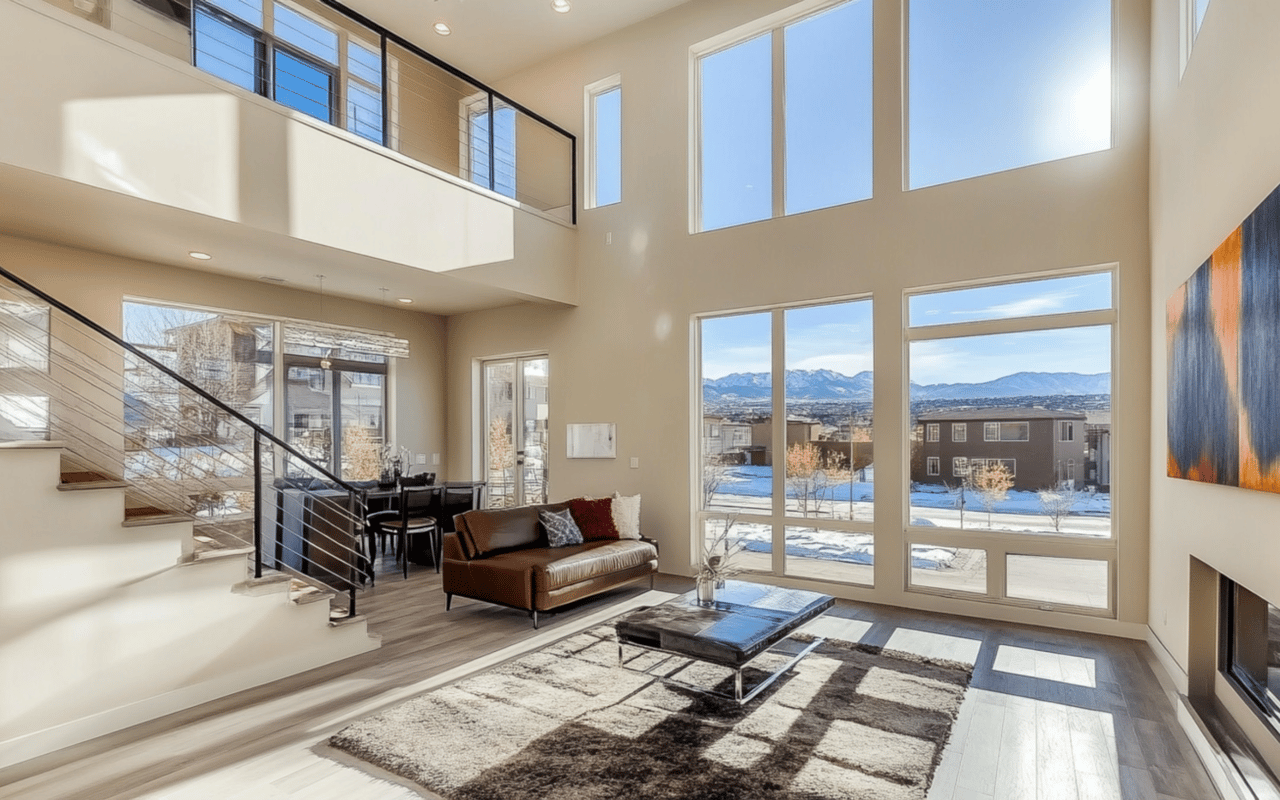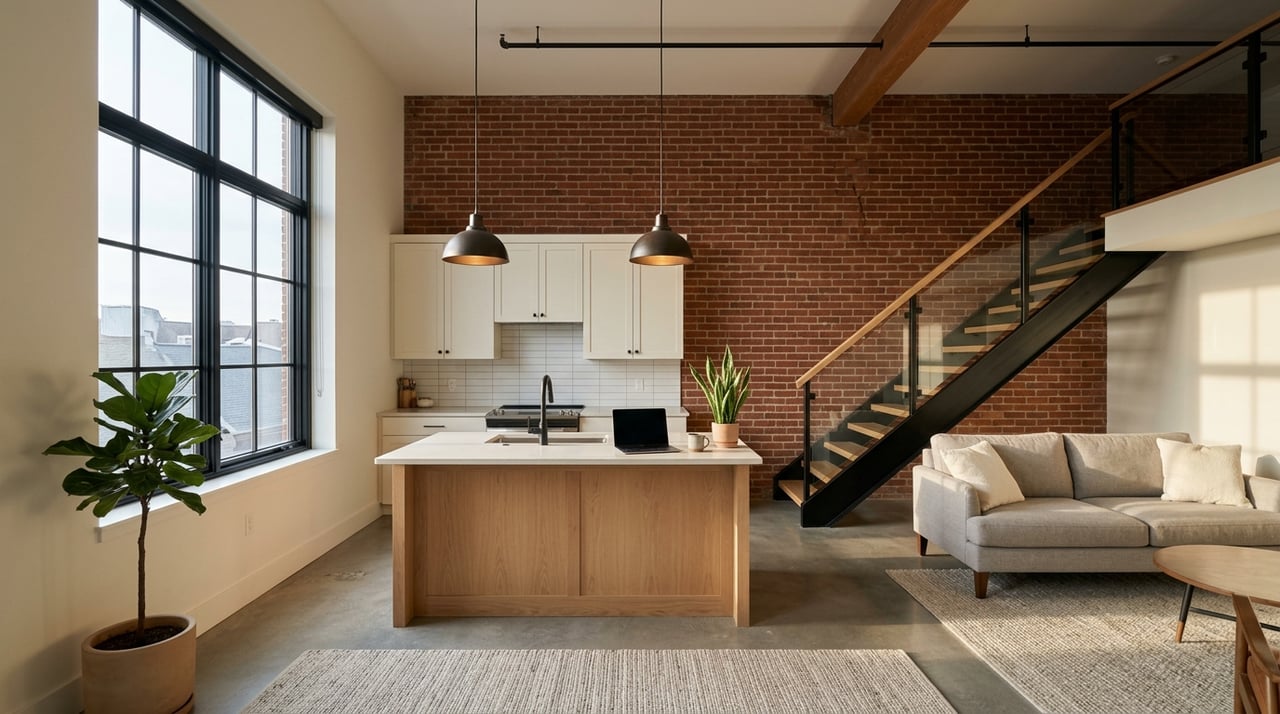
If you want a home that puts downtown Grand Junction right outside your door, condos and lofts deserve a close look. You may be weighing walkability, lower-maintenance living, parking needs, and monthly HOA costs all at once. The good news is that downtown offers a surprisingly wide range of attached homes, from compact historic units to large live/work lofts. This guide will help you understand what to expect and what to ask before you buy. Let’s dive in.
Why downtown condos stand out
Downtown Grand Junction is often described by the city and downtown organizations as a place to live, work, and play, and that description fits how many buyers use the area. According to the Downtown Development Authority and BID overview, downtown features a certified creative district, Art on the Corner, more than 100 sculptures, frequent events, the Main Street farmers market, and access to the nearby Riverfront Trail.
For many buyers, that lifestyle is the main draw. Instead of prioritizing a large yard or extra land, you may be looking for proximity to restaurants, coffee shops, breweries, events, and daily convenience. The same downtown source notes there are over 40 locally owned restaurants, coffee shops, and breweries in the area, which helps explain why condos and lofts can feel like a strong lifestyle match for buyers who want to stay connected to the center of the city.
What condos and lofts look like
One of the biggest surprises in downtown Grand Junction is the range of attached housing types. Recent downtown listings show that inventory can include smaller one-bedroom condos, historic loft-style units, and large upper-level residences with live/work potential.
For example, 359 Colorado Ave Unit 206 is a 580-square-foot, 1-bedroom, 1-bath unit with elevator access, one designated parking space, and HOA dues of $201 per month. Another example in the same building, 359 Colorado Ave Unit 302, offers 901 square feet, one bedroom, one bath, elevator access, two assigned parking spaces, in-unit laundry, bicycle storage, and off-street parking.
At the upper end, 346 Main St Unit 201 was marketed as a 4,158-square-foot historic loft condo with 3 bedrooms, 5 baths, a 1-car garage, assigned parking, and HOA dues of $550 per month. That spread matters because it shows downtown attached housing is not one-size-fits-all. You may find a compact lock-and-leave option, or you may find a much larger space that functions more like a unique urban home.
Understanding loft-style living
If you keep seeing the word loft, it helps to know what it usually means in this setting. A Downtown Grand Junction housing study defines a loft or loft-style apartment as a large, adaptable open space converted to residential use.
That same study describes live/work lofts as flexible two- or three-story spaces designed for both residence and business use. In practical terms, that means some downtown properties may have more open layouts, less traditional room separation, and features that support mixed-use flexibility. If that appeals to you, it is still important to verify the exact allowed use of any property before you make plans around working from the space or renting it.
How parking can shape your decision
Parking is one of the most important details to confirm before buying a downtown condo or loft. In attached housing, parking may vary more than buyers expect, even within the same part of downtown.
Recent listing examples included one designated space behind the building, two assigned spaces, or a private garage. Some units also advertised guest parking, bike storage, patio space, or off-street parking instead of the kind of driveway and garage setup you might see in a detached home.
That difference is not minor. The downtown housing study also treated parking as a key planning issue and even showed a 43-unit concept with 68 parking spaces, while noting that future parking infrastructure would be important to support more downtown housing. If parking convenience is high on your list, ask early whether spaces are deeded, assigned, covered, shared, or simply available on a first-come basis.
What HOA fees really mean
HOA dues are another major factor, but the monthly amount only tells part of the story. What matters just as much is what those dues actually cover.
In the examples reviewed, Unit 206 at 359 Colorado Ave had monthly HOA dues of $201, covering water, the hot water heater, and exterior building maintenance. The larger loft at 346 Main St had monthly HOA dues of $550, covering common area maintenance, legal accounting, structure maintenance, sewer, trash, and water.
So if you are comparing condos, do not stop at the sticker price. A higher HOA may include valuable services, while a lower HOA may leave more costs on your shoulders. You will want to review the fee schedule carefully so you understand both current expenses and what the building is responsible for over time.
Colorado condo due diligence matters
When you buy into a condo or loft community, you are not just buying the unit. You are also buying into the HOA structure, rules, and financial condition of the association.
According to the Colorado Division of Real Estate HOA FAQ, HOAs in Colorado are governed by CCIOA, there is no state-level regulatory oversight of HOA disputes, and there is no central repository for governing documents. The Division advises buyers to review the declaration, common elements, plat map, assessment rules, possible litigation issues, and the HOA’s registration status.
For you, that means reviewing the CC&Rs, financial statements, meeting minutes, and any signs of a future special assessment is essential. The same state guidance also warns that dues may change and special assessments may be levied, so it is wise to budget for more than just today’s monthly number.
Condos versus single-family homes
For some buyers, the main question is whether a downtown condo offers better value than a nearby detached home. The answer depends on your priorities, but local data does show a broad price difference between attached and single-family housing in Mesa County.
The Mesa County January 2026 market report shows a median sales price of $405,000 for single-family homes and $332,500 for townhouse/condo properties. That is a gap of about $72,500 in favor of the attached category.
That does not mean every condo is less expensive than every house. It does mean attached homes may offer a more accessible entry point for some buyers who want a central location and a lower-maintenance setup.
What you may give up or gain
Downtown-adjacent detached homes highlight the tradeoff clearly. For example, 1148 Colorado Ave is an 837-square-foot house with a detached garage and RV parking. The research also points to homes like 1460 Main St and 1206 Main St with multiple garage spaces, guest or accessory space, more off-street parking, and no HOA.
Compared with condos and lofts, those homes can offer more private land, parking flexibility, and fewer shared-building rules. On the other hand, condos and lofts may better fit buyers who prefer less exterior maintenance, a more walkable setting, and amenities that come through the building rather than the lot.
A simple way to think about it is this:
| If you value... | You may prefer... |
|---|---|
| Walkability, shared maintenance, downtown access | Condo or loft |
| More land, more parking flexibility, no HOA | Single-family home |
Smart questions to ask before you offer
Before you make an offer on a downtown condo or loft, it helps to slow down and confirm the details that can affect daily life and long-term cost.
Here are some of the most important questions to ask:
- How much usable space does the unit offer? Recent downtown examples ranged from 580 square feet to 901 square feet for smaller one-bedroom homes, and up to 4,158 square feet for a large loft.
- What parking comes with the property? Confirm whether the unit includes one assigned space, two spaces, a garage, or another setup.
- What does the HOA cover? Water, sewer, trash, exterior maintenance, structure maintenance, and other items may or may not be included.
- Are there building rules that affect your plans? If you are interested in live/work flexibility or rental use, verify the exact HOA rules and property use restrictions before moving forward.
- What do the HOA documents say about reserves and future projects? A lower monthly payment today may not tell the whole story.
How to shop downtown with confidence
Buying a condo or loft in downtown Grand Junction can be a great fit if you go in with clear priorities. Think about how you live day to day, not just how the unit looks in photos.
If you want to lock the car up and enjoy downtown amenities on foot, an attached home may check a lot of boxes. If you need multiple parking spaces, extra storage, or more flexibility for vehicles and equipment, you may want to compare downtown condos with nearby detached options before you decide.
The key is matching the property to your routine, budget, and future plans. Downtown Grand Junction offers enough variety that the right fit is often less about choosing a condo and more about choosing the right building, HOA, and layout for your version of downtown living.
If you want help comparing condos, lofts, and nearby homes in downtown Grand Junction, Kelly Maves can help you sort through the details with a practical, local perspective so you can move forward with confidence.
FAQs
What is the difference between a condo and a loft in downtown Grand Junction?
- In downtown Grand Junction, a condo usually refers to an individually owned unit within a shared building, while a loft often refers to a more open, adaptable floor plan that may come from a historic or mixed-use building.
How much do HOA fees cover in downtown Grand Junction condo buildings?
- HOA coverage varies by building, but recent examples included items like water, sewer, trash, exterior maintenance, structure maintenance, and common area expenses.
How much parking comes with downtown Grand Junction condos and lofts?
- Parking varies widely and may include one assigned space, two assigned spaces, off-street parking, bike storage, or a garage depending on the property.
Are downtown Grand Junction condos more affordable than single-family homes?
- Mesa County market data showed a January 2026 median sales price of $332,500 for townhouse/condo properties versus $405,000 for single-family homes, though individual property prices can vary.
What should you review before buying a condo in Colorado?
- You should review the HOA declaration, CC&Rs, plat map, assessment rules, financials, meeting minutes, registration status, and any potential litigation or special assessment issues before committing.